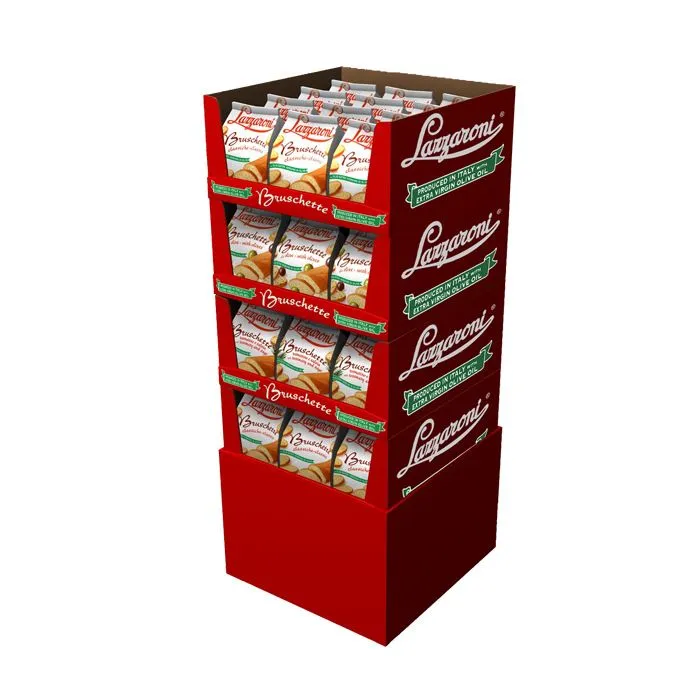







The goods on the supermarket shelves that we usually see are not placed randomly. Whether it is the display position or the layout, each move has its own logical norms.
A. Permanent Display
1. The goods displayed should be consistent with the "face" in front of the shelf.
2. The "front" of the product should all face the side of the passage. (For customers to see)
3. Avoid allowing customers to see shelf partitions and baffles behind the shelves.
4. The height of the display is usually a distance of up to 5 cm between the displayed goods and the upper shelf partition.
5. The spacing between displayed products is generally 2 to 3 mm.
6. When displaying, check whether the displayed products are correct, and place publicity boards and POPs.

B. Cutting Box Display
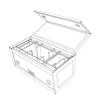
Cut the cartons used for the purchase (packaging) according to a certain depth and style (cut boxes), and then put the goods in them for display. Goods suitable for this display method include:
1. A well-known brand that is popular among consumers.
2. Commodities that are expected to be sold cheaply and in large quantities (boxed drinking water, etc.).
3. Medium and large commodities.
4. Commodities that are difficult to accumulate when displayed naked

C. Dump Bin Display
This display method gives people a feeling as if the goods are displayed in a basket. Goods suitable for this display method:
1. Small and medium-sized products that are time-consuming to display one by one, and the products themselves and their prices are widely known.
2. Goods with high hobby and simplicity.
3. Low-priced, low-margin products.

D. Sidekick Display
Exceeding the usual display line, the method of highlighting the display facing the channel. This kind of display method is suitable for new products, promotional products, low-priced products and other products that are expected to attract customers' attention and increase their turnaround rate.

E. Hook display
The display method of hanging small commodities with hooks. Goods suitable for this display method include:
1. Small and medium-sized lightweight products.
2. It is difficult to implement three-dimensional display of goods on conventional shelves.
3. Multi-size, multi-color, and multi-shape products.

F. Stepped Display
A display method in which boxed goods and canned goods are stacked in a ladder shape (more than three layers). Goods suitable for this display method include: boxes and cans that will not be deformed when stacked.

G. Stackable Display
The method of directly using the delivery items for display. Goods suitable for this display method include:
1. Goods whose prices are widely known.
2. The merchandise displayed in the transport container can be used directly.
3. Commodities with a higher rate of commodity turnover expected