












Point of sale (POS) displays are among the most effective tools for influencing customer behavior in retail. Placed near checkout areas, at end-of-aisle locations, or on prominent counters, these displays are designed to trigger impulse purchases by catching customers' attention at the moment they're ready to buy. For brands looking to maximize visibility while controlling costs, cardboard POS displays have become a go-to solution.
Understanding Cardboard Point of Sale Displays
Cardboard display stands are crafted to combine functionality with strong visual appeal. Lightweight, durable, and fully customizable, they allow retailers to showcase products effectively without the high cost of wood or metal structures. The versatility of cardboard display units makes them ideal for everything from snacks and beverages to cosmetics and small household items.
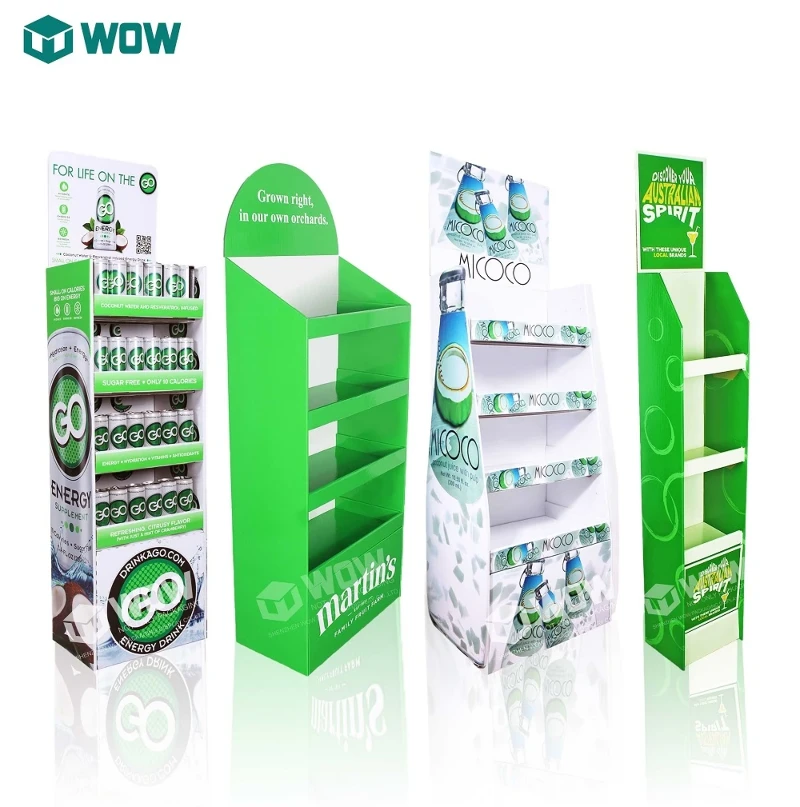
Custom product display stands can be designed in a range of sizes, shapes, and graphics. They can feature tiered shelves, compartments, or even integrated hooks, depending on the product being promoted. Using corrugated materials ensures that even large displays can hold substantial weight while remaining easy to move and assemble.
Why Cardboard POS Displays Work
Impulse Purchase Driver
POS displays are positioned at points where customers make quick decisions. Items like snacks, small gadgets, or promotional products often appear on these displays because they are purchased on impulse. A creatively designed cardboard POS display can grab attention with vibrant colors, bold graphics, and clear branding.
Flexibility and Customization
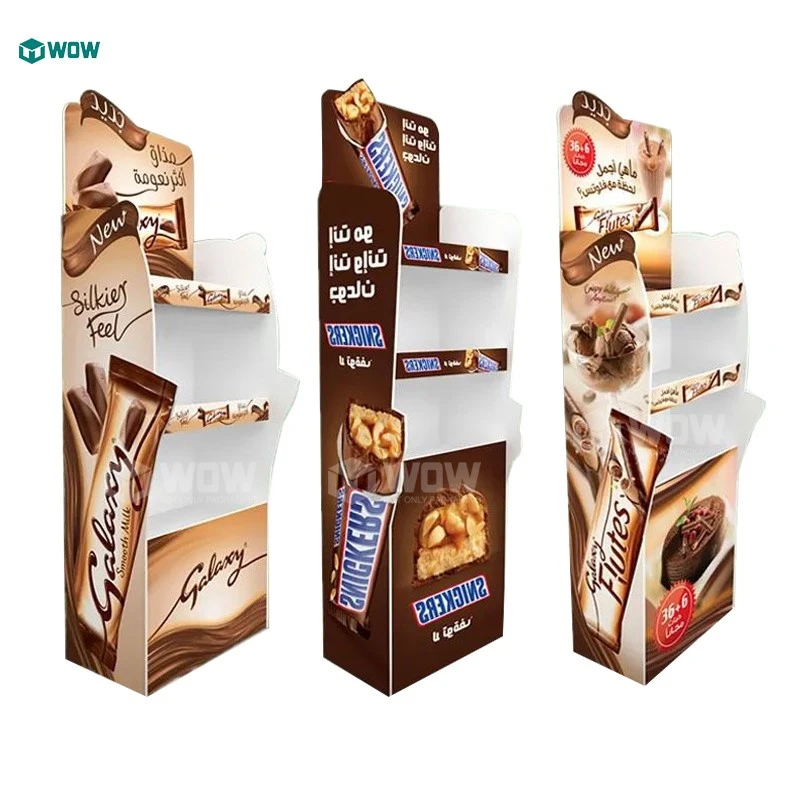
Cardboard point of sale displays can be tailored to specific products and store layouts. Whether it's a compact tabletop display or a floor-standing unit, custom corrugated displays allow brands to maximize visibility in limited spaces. For example, snack brands like Mars or Hershey's often rely on tiered cardboard display units to make their products easy to pick and visually appealing.
Cost Efficiency
Compared to traditional materials like metal or acrylic, cardboard displays are lightweight, cost-effective, and easy to ship flat. This reduces logistics and storage costs. Retailers can deploy multiple units across locations without incurring significant additional expenses.
Branding Opportunities
With modern digital printing techniques, cardboard display units can feature high-resolution graphics and detailed branding. From full-color logos to promotional messages, these displays help reinforce brand identity while highlighting new or seasonal products.
Eco-Friendly Solution
Many cardboard displays are fully recyclable, appealing to environmentally conscious consumers. Using sustainable materials allows brands to demonstrate corporate social responsibility, which can influence purchase behavior.
Key Factors to Consider When Choosing a Cardboard Display Supplier
Quality of Material
Not all cardboard is created equal. High-quality corrugated cardboard offers better load-bearing capacity, resistance to bending, and durability during transport and handling.
Design Expertise
A good cardboard display supplier can translate marketing goals into functional designs. This involves creating displays that highlight products while remaining structurally sound.
Manufacturing Capabilities
The ability to handle large orders, provide fast turnaround times, and offer customization options is crucial. Some suppliers specialize in complex structures, including integrated compartments, PDQ (Product Display Quantity) trays, or folding units.
Cost vs. ROI
While cardboard displays are generally more affordable than traditional materials, investment should align with marketing goals. The display's effectiveness in generating impulse purchases, brand recognition, and customer engagement should outweigh the upfront cost.
Popular Types of Cardboard POS Displays
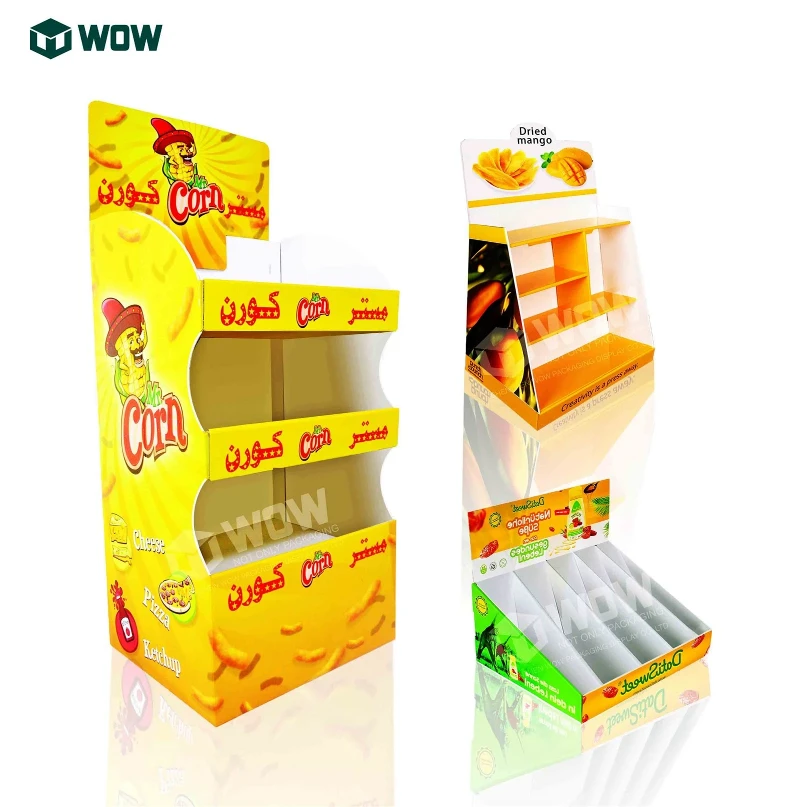
- Countertop Displays: Compact and ideal for high-traffic checkout areas, showcasing smaller products like confectionery or cosmetics.
- Floor-Standing Displays: Larger units for high-visibility placements. Can hold multiple products in tiered arrangements or feature themed graphics.
- PDQ Units: Free-standing cardboard units for direct placement on store floors or shelves. Often used for seasonal promotions.
- End-Cap Displays: Placed at the end of aisles to attract attention and increase visibility for featured products.
Conclusion
Cardboard point of sale displays are no longer just an alternative to traditional materials--they are an essential marketing tool for modern retail. Their combination of affordability,customization, visual appeal, and eco-friendliness makes them ideal for brands seeking to increase impulse sales and brand presence.
When selecting a cardboard display supplier, it is crucial to prioritize material quality, design expertise, and manufacturing capabilities. With the right display,retailers can maximize product visibility, engage customers effectively, and drive sales growth.
FAQ
1. How do cardboard display stands increase impulse purchases?
By being placed strategically near checkout or high-traffic areas and using eye-catching graphics, they prompt customers to pick up items spontaneously.
2. Are custom corrugated displays durable enough for heavy products?
Yes. High-quality corrugated cardboard can hold significant weight if designed with reinforced tiers or compartments.
3. Can cardboard displays be reused for multiple campaigns?
Absolutely. With proper care, they can be repurposed for different product launches, reducing waste and cost.
4. What customization options are available for cardboard POS units?
Sizes, shapes, colors, printed graphics, tiers, hooks, compartments, and integrated signage can all be tailored to the brand's needs.
5. Is cardboard eco-friendly compared to other materials?
Yes. Most cardboard displays are made from recyclable materials and can be recycled again after use, supporting sustainability initiatives.