









In retail, a display is rarely just a display.
It may look simple from a distance - a floor stand, a counter unit, a pallet display, a packaging box with stronger branding. But once a project actually starts, things become more complicated very quickly. The display needs to look right, fit the product, support the brand, survive shipping, work in-store, and still stay realistic to produce.
That is exactly where WOW Packaging has built its value over the years.
At Shenzhen WOW Packaging Display Co., Ltd., we focus on custom retail display and packaging solutions that are made for real retail use, not just presentation drawings. Our work covers cardboard POP displays, packaging boxes, and a wider range of custom display projects developed around actual merchandising needs. For us, the goal has never been to simply make "a display." The goal is to help brands turn an idea into something that works in the real world.
We Started With Cardboard, But Not With a Narrow Mindset
WOW Packaging is widely known for cardboard display stands and packaging boxes, and that remains an important part of what we do today. Cardboard is versatile, cost-effective, easy to customize, and highly practical for many promotional retail programs.
But custom display development is rarely about one material alone.
Over time, our work has expanded beyond standard cardboard structures into more complex retail display solutions that may also involve acrylic, metal, wood, PVC, or mixed-material components depending on the project goal. Some clients need a lightweight temporary floor display. Others need a more premium in-store presentation with stronger structural support, better finish details, or more long-term use.
That difference matters.
A strong display solution does not come from forcing every project into the same material logic. It comes from understanding the product, the retail environment, and the commercial goal first - and then building the right structure around it.
What Clients Usually Need Is Not "A Factory"
This is something we have learned very clearly.
Most serious customers are not just looking for someone who can manufacture a display after the design is already complete. They are looking for a partner who can help them think through the project before production starts.
That often includes questions like:
- Will the display hold enough stock without becoming unstable?
- Can it show multiple SKUs clearly?
- Will the design still look strong after flat-pack shipping?
- Can it be assembled quickly at store level?
- Will the materials feel right for the brand image?
- Can the idea be produced efficiently at scale?
These are not small details. They are often the difference between a display that looks good in a rendering and one that actually performs well in-store.
This is why our role usually goes beyond manufacturing. We regularly support clients with design refinement, structural thinking, 3D visualization, prototyping, production planning, packing methods, and shipment preparation. In some projects, we also help coordinate pre-packed or pre-loaded display delivery to support easier rollout.
In other words, the work starts long before production - and it does not end the moment printing is finished.
The Value of Experience Is Often Hidden in the Middle of a Project
Retail display projects look exciting at the beginning.
There is a concept. There is a launch plan. Sometimes there is already a strong brand vision. But the middle part of the project is usually where the real work begins. Materials need to be adjusted. Structures need to be simplified or strengthened. Visual ideas need to become manufacturable. Packing needs to protect the display without making logistics unreasonable. Timelines need to stay realistic.
That middle stage is where experience matters most.
With more than 15 years in the display and packaging industry, WOW DISPLAY has built much of its strength there - in solving the problems that appear between concept and execution. We know that a good retail display is not only about appearance. It also has to work in production, in packing, in transit, and in store conditions.
Sometimes a project needs to be lighter. Sometimes stronger. Sometimes easier to assemble. Sometimes more premium in presentation. The right answer is not always dramatic, but it does need to be practical.
Why Custom Work Still Matters in Retail
Retail is full of standard fixtures, standard shelves, and standard promotional pressure.
That is exactly why custom display work still matters.
A well-developed custom display helps a product line stand out in a crowded store. It can improve product organization, create stronger visual blocking, support campaign storytelling, and make the shopper experience clearer. Even small structural differences can change how shoppers respond to a display. Height, angle, access, graphic placement, and product grouping all influence whether the display feels easy to shop or easy to ignore.
This is particularly important for brands entering competitive retail categories. If the display does not create enough distinction, the product can disappear into the shelf very quickly.
That is one reason so many of our projects focus on more than simple manufacturing. The structure has to help the product sell. That is the real job.
Our Work Covers More Than One Type of Display
Over the years, we have worked across a broad range of retail display and packaging categories, including:
floor displays
counter displays
hook displays
sidekick displays
dump bins
pallet displays
standees
shelf-ready packaging
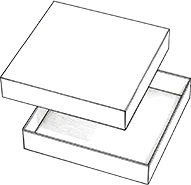
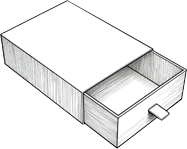
cardboard packaging boxes
Some projects are straightforward. Others are highly customized and require much closer coordination between design, engineering, and production. What stays consistent is the need to balance visual impact with execution logic.
A display should not only look attractive in a presentation file. It should also be realistic to produce, reliable enough for the retail environment, and efficient enough to ship.
That balance is something we take seriously.
A One-Stop Partner Means More Than Offering Many Products
The phrase "one-stop service" is used everywhere in manufacturing. Sometimes too casually.
For us, it means something more specific.
It means helping clients move through the full process with fewer disconnects - from early idea discussion to design development, sample review, production, packing, and shipment. It means understanding that the display is part of a broader retail program, not just an isolated object. And it means being able to support both the visual side and the practical side of the project without making the client manage every small gap between them.
That is especially important for brands running promotional campaigns across multiple stores or markets. When rollout pressure increases, even small coordination issues become expensive. A supplier that only focuses on manufacturing is often not enough. The project needs clearer follow-through than that.
What We Continue to Build
WOW Packaging is still growing, and so is the level of work we want to do.
We are continuing to build around the areas that matter most to serious retail display projects: stronger engineering thinking, better design-to-production conversion, more reliable supply chain coordination, and display solutions that are not only creative, but executable.
We believe good display work sits at the intersection of design, structure, branding, and logistics. If one of those parts fails, the whole project becomes weaker. If they are aligned well, the display becomes much more than a fixture.
It becomes a tool that helps the product perform better in retail.
That is the kind of work we want to keep doing.
Final Thoughts
WOW Packaging is not just in the business of making cardboard displays.
We are in the business of helping brands turn retail display ideas into workable, brand-fit, production-ready solutions.
Sometimes that means a straightforward cardboard floor display. Sometimes it means a more customized packaging program. Sometimes it means solving the less visible but more difficult parts of a project - structure, packing, rollout, timing, or material fit.
That is the real nature of the work.
And honestly, that is what makes it worth doing.